Category: Upanishads

Indian Philosophy Upanishads

The Upanishads: The Source Of Indian Philosophical Systems – 3

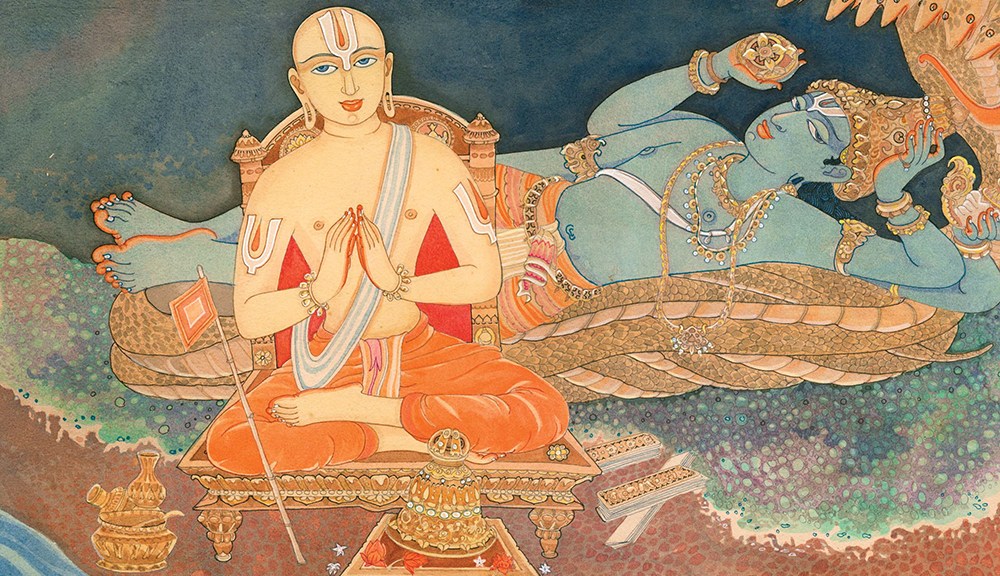
In Advaita Vedanta individual self and supreme self are one and same. Individual self is the reflection of the supreme self on avidya. When this avidya becomes exhausted, individual self become aware of its supreme status and realize the Brahman. In short, as per Advaita Vedanta, we all are already liberated beings. But due to avidya we are not aware of it. When we acquire Brahma-vidya, we will realize our default supreme nature, or the divinity within us. This is the nutshell of Advaita Vedanta. We can find several passages in the Upanishad collection about the non-dual nature of Atman and Brahman. In fact, though several…
Indian Philosophy Upanishads

The Upanishads: The Source of Indian Philosophical Systems – 2

These realistic schools propose that there are multiple souls which are co-eternal with the God. They list many reasons for the existence of God[14], and being realists Nyaya claims, object and (its) qualities are different, not same, like the idealists think. Nyaya have developed sixteen categories and stresses much on the syllogism to arrive in the correct knowledge. Nyaya philosophy is systematically expounded in the Nyaya-sutra of Rishi Gotama. Vatsayana, Udyotakara, Vacaspati Misra and Udayana are the major writers and commentators on this sutra and other Nyaya related treatises. Nyaya and Vaiseshika systems are considered…

Featured Articles Indian Philosophy Upanishads

The Upanishads: The Source of Indian Philosophical Systems – 1

The Upanishads are those parts of Vedic literature that contains philosophical teaching. It is usually called as Vedanta (end part of Vedas). There are many Upanishads and they are composed not by a single sage, but by many. Also the beginning to the completion of Upanishads composition may span a wide period; say 500 – 1000 years, minimum. Commonly eleven Upanishads are considered as the ‘Principle Upanishads’. Yet, this is not a hard rule. It is generally held so because Sri Sankaracharya wrote commentaries for these eleven Upanishads. They are Isa, Kena, Katha, Taittiriya, Aitareya, Mundaka, Mandukya, Prasna, Chandogya…